

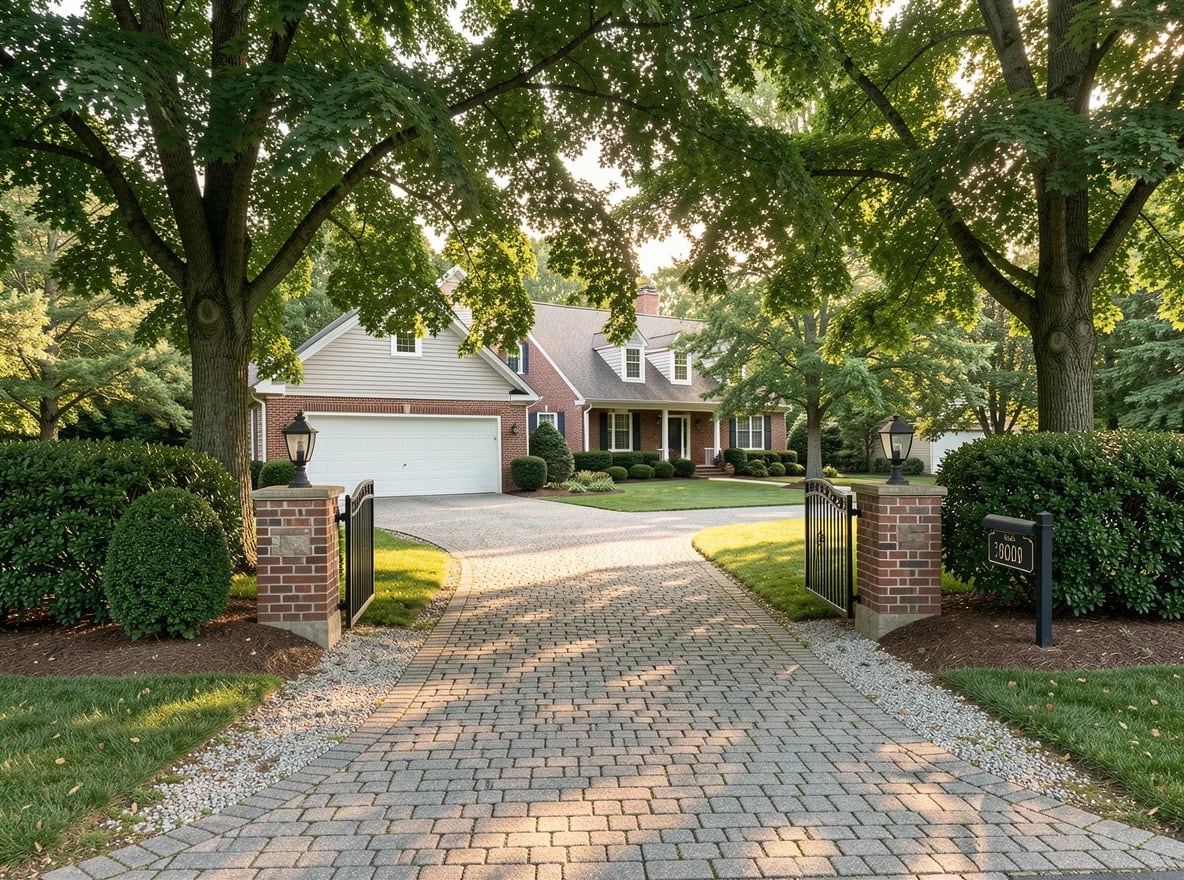

Buying a first home in Washington, DC or Maryland is easier when you replace guesswork with a clear plan. Start with your budget, compare locations based on your real routines, and keep the right protections in place before you commit. A thoughtful team can help you evaluate each decision with confidence rather than urgency.
A First-Time Buyer’s Guide to Washington, DC and Maryland
Your first home purchase is a major financial decision, but it does not have to feel mysterious. Washington, DC and Maryland offer a wide range of homes, neighborhoods, and lifestyles—from city condos and rowhomes to townhomes and detached properties in established communities. The best place to begin is not with a favorite listing. It is with an honest understanding of your finances, daily needs, and long-term goals.
Online home searches are valuable for discovering possibilities, but they are only one part of a successful strategy. A strong buying plan helps you sort through monthly costs, property condition, location trade-offs, and offer terms before emotions take over. Use this guide to approach the process step by step and make choices that work for both today and the years ahead.

Begin With a Complete Budget, Not Just a Price Range
One of the most common first-time buyer mistakes is looking at homes before speaking with a lender. A pre-approval can clarify the price range and loan options that fit your financial picture, while also helping you understand how a seller may view your offer. It is a practical first step, not a commitment to buy immediately.
As you set a comfortable monthly target, look beyond principal and interest. Your payment may also include property taxes, homeowners insurance, mortgage insurance when applicable, and association fees for a condo or community with an HOA. The cash you need before closing can include a down payment, lender charges, title-related costs, inspections, moving expenses, and a reserve for early repairs or furnishings.
A home that fits your budget should leave room for everyday life, savings, and the unexpected. Ask your lender to walk through several payment scenarios so you can make decisions from a position of clarity.
Choose a Location Around Your Life
In Washington, DC and Maryland, location can shape your experience as much as the home itself. Before you focus on finishes or square footage, consider the rhythm of an ordinary week. Think about commuting or remote-work needs, access to transit or major routes, time with family and friends, favorite local amenities, and the type of setting where you will feel at home.
Visit promising areas at more than one time of day when possible. A quiet weekday morning, an evening drive, and a weekend walk can each reveal something different about traffic patterns, activity, parking, noise, and the general feel of the surroundings. If schools are part of your current or future priorities, review official resources and discuss your questions with the appropriate local sources rather than relying on assumptions.
It also helps to separate must-haves from nice-to-haves. Perhaps proximity to work is essential, while a larger yard is a preference. Maybe a lower-maintenance condo suits your current lifestyle better than a larger home that needs regular outdoor upkeep. Knowing where you can be flexible will make your search more focused and your eventual offer more decisive.

Compare Homes With a Long-Term Lens
First-time buyers can be drawn to a beautifully staged room or a newly updated kitchen, and those features can absolutely matter. Still, look at the whole property. Consider the layout, storage, natural light, maintenance needs, parking, outdoor space, and the condition of major systems. A home should support your routines, not simply make a strong first impression during a short showing.
Think ahead to the changes that could reasonably happen over the next several years. An extra bedroom might become a home office or guest room. A flexible living area may be more useful than formal space you rarely use. If you expect to move again, features such as a functional layout, convenient location, and manageable upkeep can remain meaningful when it is time to sell.
Try to evaluate every home twice: once as the place you would enjoy living now, and again as a practical asset you will maintain, finance, and eventually sell or leave behind.
Use Due Diligence to Protect Your Decision
In a competitive situation, it can be tempting to move quickly or reduce protections without fully understanding the consequences. Before you do, ask what you are giving up and why. Inspections, financing terms, appraisal considerations, and other contract details exist to help buyers make informed choices. The right approach depends on the specific property and your comfort level, but a first purchase should never feel like a blind leap.
A professional inspection can identify visible concerns and help you plan for maintenance, even when a home appears move-in ready. Review the results carefully, distinguish between routine upkeep and more significant issues, and discuss your options with your agent. Your agent can help you understand how the findings may affect negotiations and whether the property still aligns with your goals.
It is equally important to read association documents when buying a condo, co-op, or property with an HOA. Fees, rules, reserves, and planned projects can affect both your monthly budget and your ownership experience. Give yourself enough time to review the information and ask questions before moving forward.

Build a Team That Keeps You Informed
Buying your first home involves several professionals, including a lender, agent, inspector, and settlement or title provider. You do not need to become an expert in every part of the transaction before asking for help. What you do need is a team that explains the process in plain language, responds to questions, and helps you understand your options at each milestone.
Your agent’s role goes beyond scheduling showings. A knowledgeable agent can help you assess comparable properties, shape an offer around your priorities, coordinate key deadlines, and keep the process organized from search through closing. The goal is not to rush you into a house; it is to help you make a well-informed decision when the right opportunity appears.
Move Forward With Confidence
There is no single perfect first home, and there is no benefit to trying to solve every future need in one purchase. The strongest buyers are prepared, realistic, and clear about what matters most. By setting a complete budget, researching neighborhoods with purpose, inspecting carefully, and relying on sound guidance, you can make your Washington, DC or Maryland home search feel far more manageable.
Take your time where it matters, stay responsive when a decision is needed, and keep your priorities at the center of the process. With a plan tailored to your finances and lifestyle, your first home can be a meaningful step toward greater stability, flexibility, and confidence in your future.