

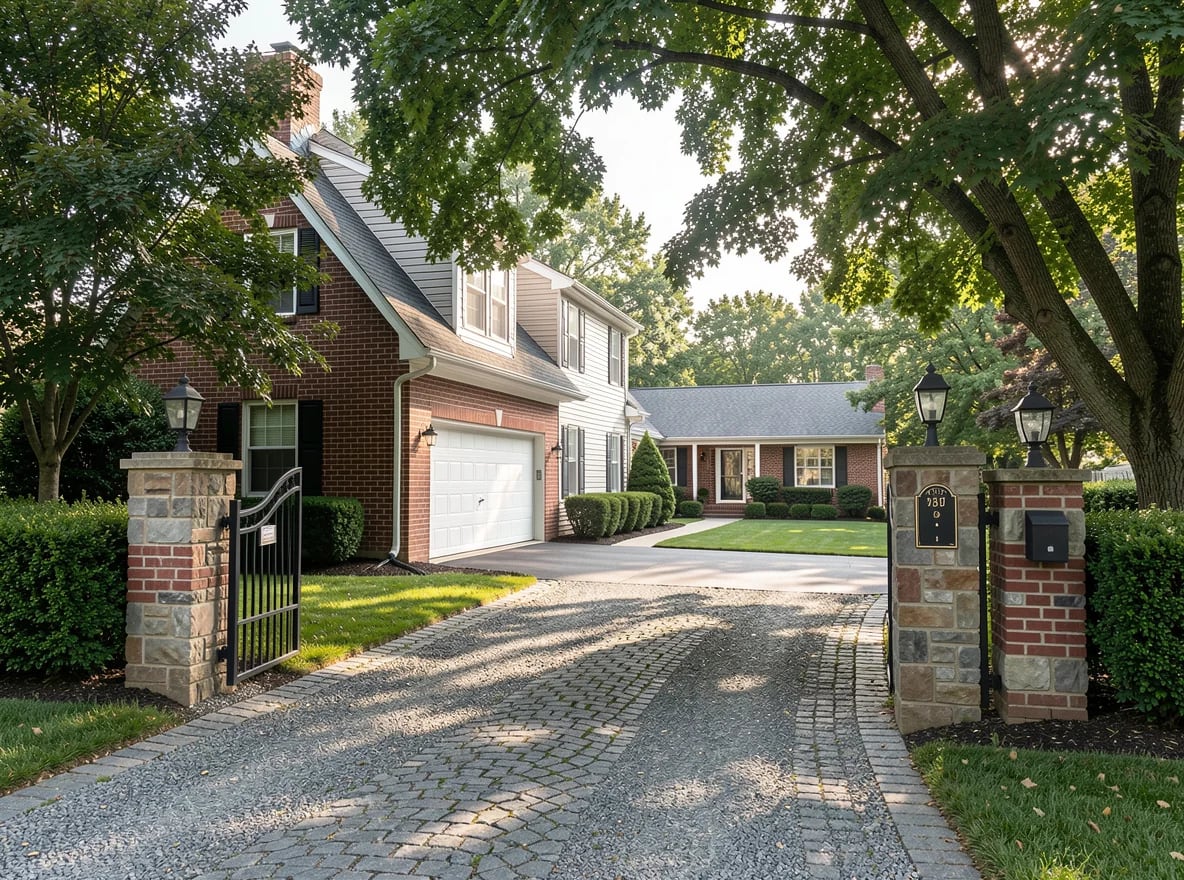

Pricing a Maryland home is not about choosing the highest number and hoping buyers agree. It is about positioning your property against relevant nearby sales, current competition, condition, and the monthly-payment considerations shaping buyer decisions. A clear, evidence-based strategy can help you launch with confidence and respond thoughtfully as the market reacts.
Start With a Price That Buyers Can Understand
For Maryland homeowners, the list price is more than a number on a listing page: it is the first signal buyers receive about value. Before they schedule a showing, buyers compare photos, location, condition, size, taxes, and the homes they have already seen. A price that fits the property’s story makes it easier for them to take the next step; a price that feels disconnected from the evidence can cause them to move on before they ever visit.
A thoughtful pricing conversation begins with the home itself. Consider its style, age, usable space, lot, maintenance history, updates, and overall presentation. Then place those details beside recently sold homes that are genuinely comparable—not simply every property with a similar bedroom count. A renovated kitchen, a finished lower level, garage parking, outdoor space, or a more convenient setting can matter, but the value of each feature depends on how it compares with alternatives available to buyers.

It is also important to distinguish between an active listing and a closed sale. Active homes show what other sellers are asking. Closed sales offer evidence of what buyers and sellers ultimately agreed upon. Withdrawn or expired listings can add useful context as well, especially when they reveal how a home was positioned and how long it remained available. None of these data points should be treated in isolation. The goal is to develop a defensible range and a launch price that reflects the home’s strengths without asking buyers to overlook its trade-offs.
Maryland is not one uniform housing market. Homes can differ dramatically from one community to the next in housing type, commute patterns, neighborhood character, local amenities, and buyer expectations. A useful analysis stays focused on the micro-market most relevant to your property rather than relying on broad statewide headlines. Your agent can help interpret those local comparisons and explain why a particular pricing range makes sense for your home.
The most persuasive price is one that is supported by comparable homes and reinforced by how your property looks, feels, and functions in person.
Prepare the Home So the Price Feels Earned
Pricing and preparation work together. Buyers do not evaluate a list price on a spreadsheet alone; they experience it through the photos, the first impression at the curb, the light in the rooms, and the care visible throughout the home. A well-prepared property helps buyers understand its value more quickly and can make the showing experience feel more cohesive.
That does not mean every seller needs to undertake a major renovation before listing. In many cases, practical steps can have a meaningful effect: addressing obvious repairs, reducing clutter, cleaning thoroughly, improving lighting, refreshing worn paint where appropriate, and making exterior spaces feel cared for. The right priorities depend on the home’s condition, budget, and likely buyer audience. An agent can help you separate improvements that clarify value from projects that may not be necessary before sale.

Photography deserves the same care. Online buyers make rapid decisions about which homes to explore further, so images should accurately show the property at its best while setting realistic expectations. Clear, bright, well-composed marketing gives buyers a reason to book a showing. Once they arrive, consistent preparation—from the entry to the main living areas and outdoor spaces—helps support the value suggested by the price.
Be candid about condition, too. If the home has dated finishes, deferred maintenance, or a layout that will not suit every buyer, those factors should be part of the pricing strategy rather than a surprise after the showing. A price that accounts for known considerations can create a more productive conversation and reduce the risk of disappointment later in the process.
Use Search Ranges and Monthly Costs Wisely
Many buyers begin online with a maximum price in mind. Search filters can determine whether a property appears in the first place, which makes pricing thresholds worth discussing before the listing goes live. A home priced just above a common search boundary may be invisible to people who would otherwise see it as a close fit. That does not automatically mean pricing below every threshold is the right choice, but it does mean the choice should be intentional.
Buyers are also considering more than the purchase price. Their overall housing cost may include financing, property taxes, insurance, association fees where applicable, and anticipated maintenance. Sellers do not control every part of that equation, but they can understand how affordability affects the buyer pool. A well-supported price helps buyers and their advisers assess the home with fewer unanswered questions.
A pricing plan should account for the audience you want to reach, not just the number you hope to receive. Visibility, affordability, and condition all shape who is likely to engage.
It is wise to avoid treating a high initial price as a harmless test. New listings often receive their greatest attention when they first appear, because interested buyers may have alerts set for homes that match their criteria. If the home is difficult to justify at launch, those early viewers may wait or focus elsewhere. A later adjustment can be appropriate when the evidence calls for it, but it cannot recreate every first impression.

Watch the Response, Then Make Decisions From Evidence
A pricing strategy should not end on launch day. Once the home is active, seller feedback, showing activity, online engagement, and the pace of competing listings can all add context. Individual comments are subjective, but repeated themes may point to an issue with presentation, condition, price, or the way the home is being positioned. Your agent can help separate useful signals from isolated opinions.
If an adjustment becomes necessary, make it based on a clear review of what has changed or what the market response has revealed. This may include newly closed sales, new competing listings, buyer feedback, or the absence of expected showing activity. A measured response is more useful than reacting to one slow week or one comment from a visitor. The objective is to keep the listing aligned with the choices buyers have at that moment.
Flexibility also matters during offer review. The highest price is not always the strongest overall proposal. Financing terms, contingencies, timing, requested concessions, and the buyer’s ability to complete the transaction can all affect the net result and certainty of a sale. Establishing a realistic list price from the beginning gives you a better foundation for evaluating the full picture when interest arrives.
A Practical Maryland Pricing Checklist
- Review recent, genuinely comparable sales in the most relevant local area.
- Compare active and pending homes to understand the choices buyers can see today.
- Assess condition honestly, including updates, maintenance needs, layout, and curb appeal.
- Discuss meaningful online search ranges and the buyer audience each range may reach.
- Prepare the property so its presentation supports its price.
- Plan how you will evaluate showing activity and feedback after launch.
- Review offers based on terms and overall certainty, not price alone.
There is no universal formula for pricing every Maryland home. The right approach is grounded in current local evidence, transparent about the property’s condition, and responsive to the buyers most likely to value it. With preparation and a clear plan, sellers can move forward knowing their price is designed to invite serious consideration rather than hesitation.