

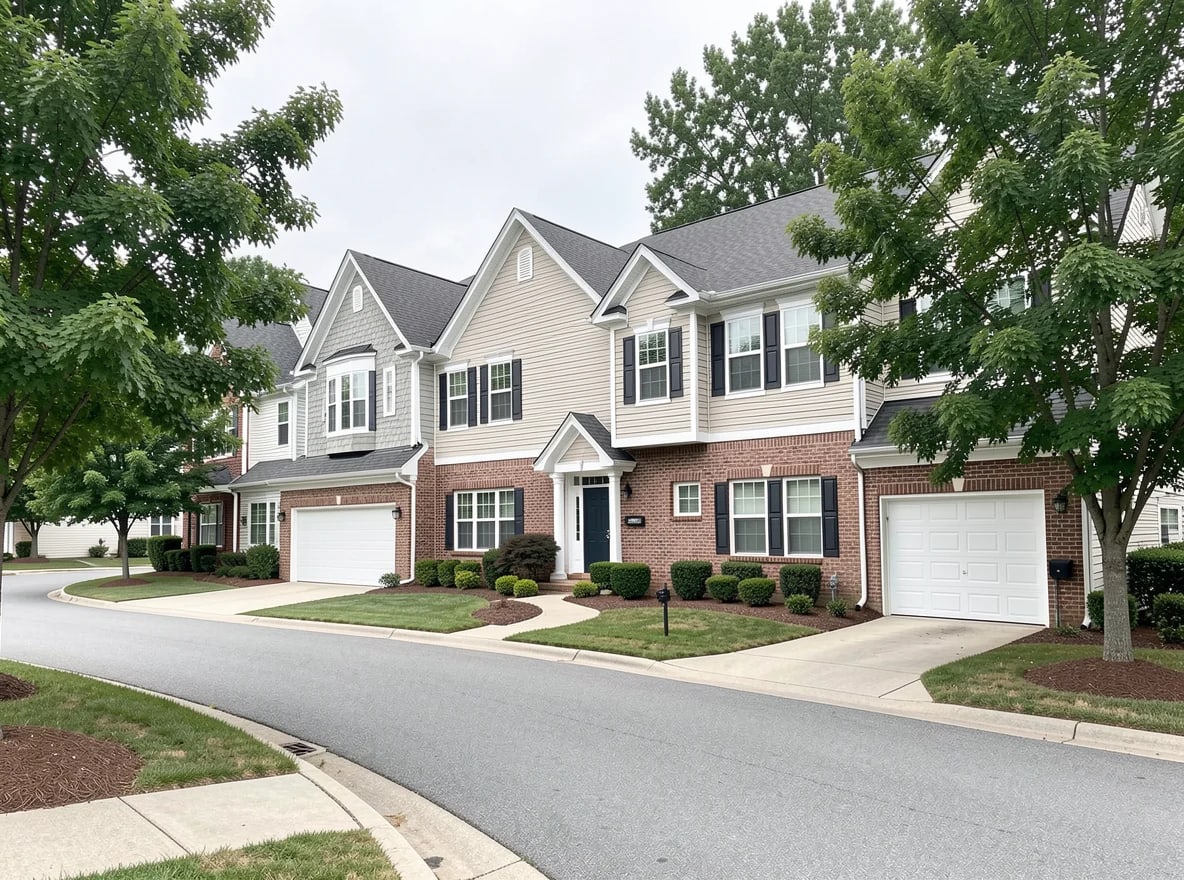

Renting in Washington, DC or Maryland does not have to be a permanent holding pattern. A successful move into ownership starts with a realistic monthly budget, a clear picture of the neighborhoods that fit your life, and a plan for competing thoughtfully when the right home appears. Whether you are considering a DC condo, a Maryland townhome, or a detached home farther out, preparation can turn a major decision into a confident next step.
For renters across Washington, DC and Maryland, buying a home can feel like a dramatic jump from a familiar monthly payment into a maze of loan options, inspections, and unfamiliar costs. Yet for many households, ownership becomes more attainable once the search is built around the right questions rather than a single list-price number. The goal is not simply to stop renting; it is to choose a home, location, and payment that support the life you want to build.
The DC and Maryland market offers meaningful variety. A buyer may value the walkability and transit access of a DC neighborhood, the established communities and amenities of Prince George's or Montgomery County, or more space and a different pace in places such as Bowie, Columbia, Catonsville, Upper Marlboro, Waldorf, or La Plata. Each choice comes with tradeoffs, which is exactly why a clear buying strategy matters before the first showing.
Start With the Payment You Can Sustain
The most useful number in a renter-to-owner plan is not the maximum amount a lender may approve. It is the full monthly payment that still leaves room for savings, everyday spending, travel, childcare, retirement goals, and the unexpected. In addition to principal and interest, factor in property taxes, homeowners insurance, mortgage insurance when applicable, condo or HOA fees, utilities, and a reserve for maintenance. A home that looks affordable at first glance can feel very different once every recurring cost is included.
Buyers in Washington, DC should pay particular attention to condo and co-op fees, building reserves, and the services included in monthly dues. Maryland buyers comparing townhomes or detached homes should look closely at HOA obligations, lot maintenance, and the age and condition of major systems. None of these costs automatically make a property a poor choice; they simply need to be visible before you fall in love with a home.
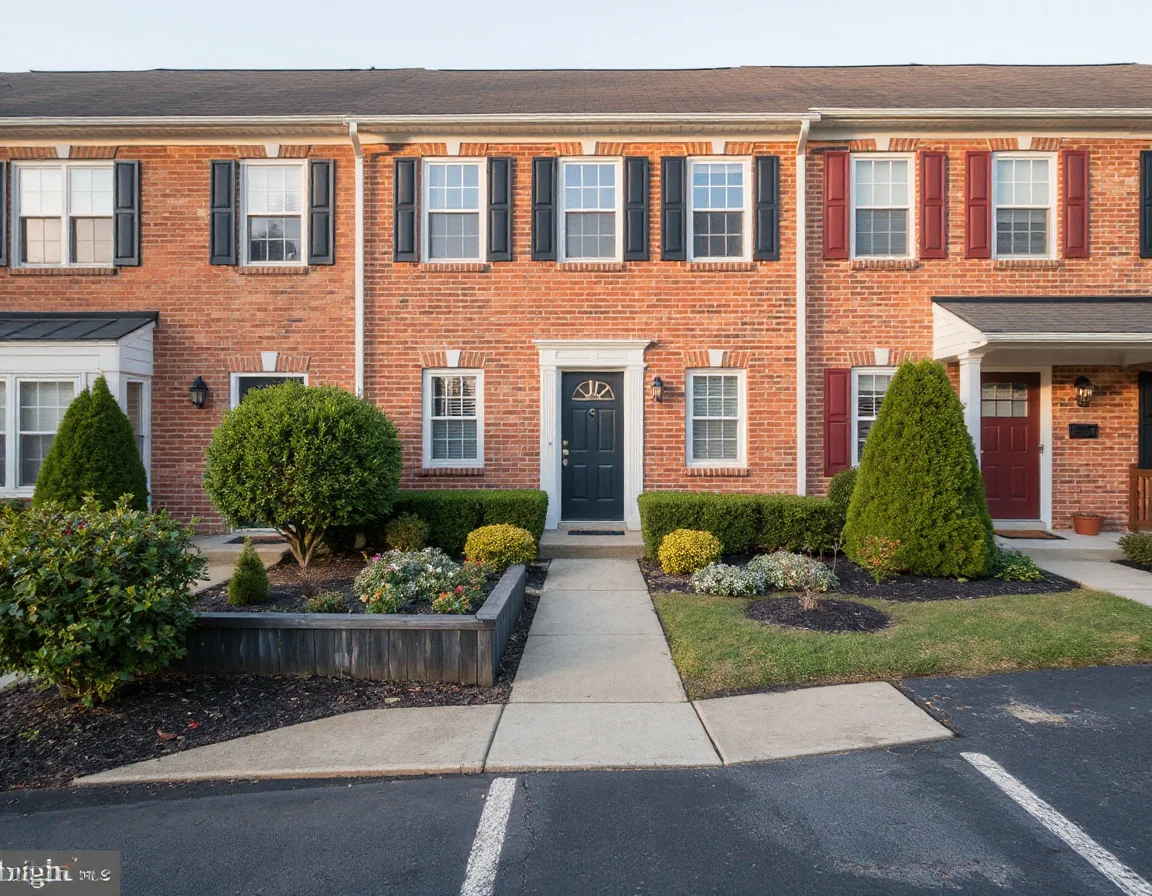
Financing preparation is equally important. Before touring seriously, review your credit profile, monthly debts, savings, and expected closing funds. A pre-approval gives you a practical range to work within and helps clarify whether adjusting the down payment, purchase price, or timing would create a stronger position. Your agent and lender can help you compare scenarios, but the final comfort level should be yours.
A payment that leaves breathing room is often more valuable than stretching for a home that looks perfect on paper. Flexibility helps owners handle repairs, career changes, and the ordinary costs of settling into a new home without turning every expense into a setback.
It also helps to separate cash needed to buy from the amount you want to keep after closing. Down payment and closing costs are only part of the transition. Moving, furnishings, utility deposits, immediate repairs, and a modest emergency fund deserve a place in the plan. Renters who prepare for the whole first year of ownership usually make decisions with more confidence.
Choose a Location Around Your Actual Routine
In a region as connected and varied as DC and Maryland, location is more than an address. It shapes your commute, your access to groceries and green space, the time you spend getting to family and friends, and how easily a home fits your weekends. Start by listing the routines that matter most: access to Metro or MARC, major employment centers, schools, airports, parks, dining, cultural destinations, or room for a home office.
Washington, DC can appeal to buyers who prioritize neighborhood energy, transit, and proximity to restaurants, museums, and services. Maryland offers a broad spectrum of options, from established suburban neighborhoods to planned communities and more spacious settings. In Bowie or Upper Marlboro, a buyer may find a different balance of space and access than in central DC. Columbia can appeal to households drawn to parks, village-style amenities, and regional connectivity, while Catonsville offers its own blend of neighborhood character and access to Baltimore-area destinations.

Do not assume that two homes with similar square footage will deliver the same lifestyle. One may shorten a commute but have less outdoor space. Another may offer an extra bedroom, a garage, or a larger yard while adding travel time. Spend time in a target area at different hours, test the drive or transit route, and notice the details that listings cannot convey: noise, parking, traffic patterns, sidewalk activity, and the convenience of errands.
For buyers with children, school boundaries may be an important part of the conversation. For others, resale considerations can still make local demand and neighborhood stability relevant. Your agent can help you assess available property information and comparable sales while keeping the discussion centered on your priorities instead of assumptions.
The strongest location choice is rarely the one with the longest list of amenities. It is the one that makes your most frequent routines easier and still feels like a place you will enjoy coming home to.
Match the Home Type to Your Next Chapter
First-time buyers do not need to follow a single path. A condo may be a practical entry point for someone who values a lower-maintenance lifestyle and a close-in location. A townhome can offer multiple levels, outdoor space, and a more house-like feel without the same yard responsibilities as a detached property. A single-family home may provide flexibility and privacy, but it also comes with greater maintenance responsibility and potentially higher upfront costs.
Consider how long you expect to stay, how much upkeep you want to manage, and whether the home can adapt to the changes you anticipate. An extra room might become an office, a nursery, or a guest space. A convenient parking arrangement may matter more than a formal dining room. Storage, laundry, stairs, outdoor space, and renovation needs all affect whether a home works after the excitement of move-in day fades.
Be honest about compromise before your search begins. Ranking your top priorities in order can prevent a rushed decision when inventory is limited. For example, you may decide that a move-in-ready townhome near transit is a better fit than a larger detached home that requires immediate repairs. Or you may choose a condo with predictable maintenance in order to enter the market and build equity before making a future move.
Search With Evidence, Not Just Emotion
Browsing listings is useful, but a smart purchase decision needs context. Look at recent comparable sales, days on market, property condition, monthly association fees, and the terms that have made similar homes successful. A listing price is an invitation to begin analysis, not a complete explanation of value. Your agent can help you evaluate whether an offer should account for updates, inspection findings, financing conditions, or competing interest.

Inspections and disclosures deserve the same attention as finishes and floor plans. In older DC properties, buyers may need to understand building systems, shared walls, and renovation history. In Maryland, age, drainage, roofing, HVAC, and foundation conditions can vary widely from one neighborhood to another. A thorough inspection period is not about finding a flawless home; it is about understanding the home you are buying and deciding which issues fit your budget and risk tolerance.
Prepared buyers also know their walk-away points. Decide in advance what would make you reconsider: an unsustainable monthly payment, an unresolved inspection concern, an appraisal gap you cannot comfortably cover, or terms that leave no protection for your circumstances. Clear limits make it easier to act decisively when a good opportunity appears.
Make the Move on Your Terms
Moving from renter to owner in Washington, DC or Maryland is not about chasing a perfect listing or forcing a timeline that does not work. It is about building a purchase plan around your finances, your routine, and the kind of homeownership experience you want. With realistic numbers, neighborhood research, and professional guidance, renters can move from uncertainty to a focused, informed search.
Our team can help you compare communities, interpret local market activity, and prepare an offer strategy that reflects your goals. The right first home may be a DC condo, a Maryland townhome, or a detached property in a community that gives you more room to grow. What matters most is that the choice supports both your present needs and your longer-term plans.